Visibility Restored Through Lens Reconditioning
Headlight Restoration in Lafayette for vehicles with cloudy, yellowed, or oxidized lenses
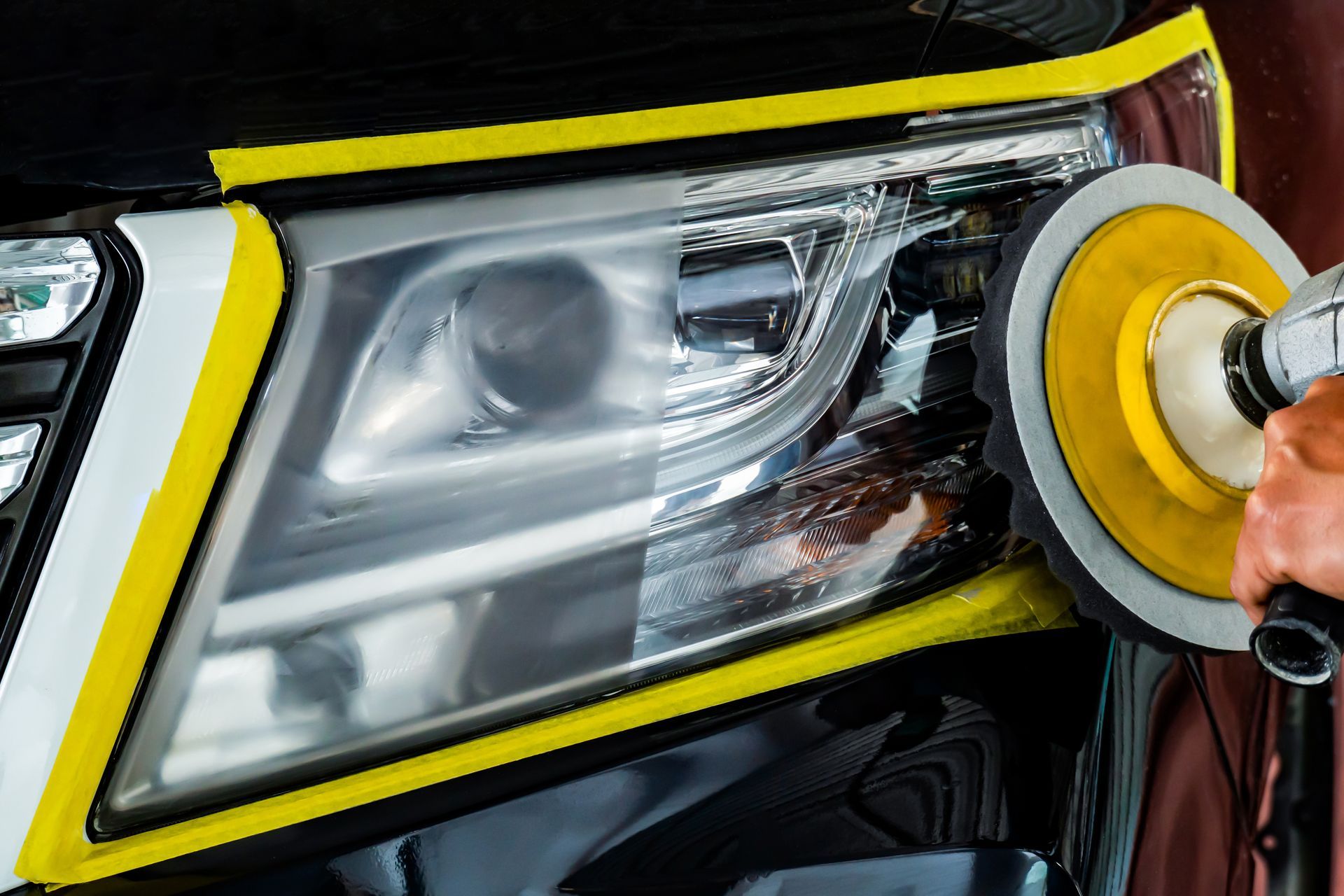
Headlight lenses yellow and cloud from UV damage that breaks down the polycarbonate outer layer, creating a hazy surface that scatters light rather than projecting it forward onto the road. St3alth Window Tinting restores headlights throughout Lafayette using progressive abrasive techniques that remove oxidized material, then polishes the lens to optical clarity. Louisiana's intense sun accelerates this degradation faster than northern climates, making restoration necessary every few years on vehicles parked outdoors.
The restoration process removes the damaged outer layer through controlled sanding with increasingly fine abrasives, eliminating the yellowed cloudiness that reduces nighttime visibility. Polishing compounds then restore lens clarity to near-original condition before protective coating application slows future oxidation. You'll notice immediate visibility improvement after restoration, with headlight beams projecting clearly defined patterns rather than diffused, weak light.
Request a free estimate to evaluate your headlight condition and expected restoration results.
How Restoration Addresses Lens Degradation
Professional restoration differs from quick-fix kits through complete oxidation removal rather than temporary surface treatment. Each sanding stage removes deeper damage while creating a refined surface for the next finer abrasive, progressing from heavy cutting to polishing without leaving visible scratches. The final protective coating bonds to the restored lens surface, providing UV resistance that extends clarity beyond untreated restoration.
After restoration, your headlights look clear and new from the outside, while light output increases noticeably during night driving. You'll see road edges, signs, and hazards more clearly because light projects where it's aimed instead of scattering in all directions through clouded lenses. The vehicle's front appearance improves significantly since clear headlights contrast sharply with the yellowed, aged look that develops over years of sun exposure.
Restoration extends lens life by removing damaged material before oxidation penetrates too deeply into the polycarbonate. Severely degraded lenses may require replacement if damage has progressed beyond surface layers, though most oxidation responds well to restoration if addressed before internal hazing develops. Restored lenses will eventually oxidize again from continued UV exposure, but protective coatings delay this process compared to factory lenses without aftermarket protection.
Answers to Frequent Service Questions
Vehicle owners ask about restoration effectiveness and longevity before committing to the service instead of replacement.
How does restoration compare to headlight replacement?
Restoration costs significantly less than new assemblies while achieving similar clarity and light output. Replacement becomes necessary only when lenses have internal damage, cracks, or oxidation that penetrates beyond surface layers removable through sanding.
What causes headlights to yellow and cloud over time?
UV radiation breaks down the polycarbonate lens surface in a process accelerated by Louisiana heat and sun intensity. This oxidation creates the cloudy yellow layer that blocks and scatters light, reducing visibility progressively as degradation deepens.
When should headlight restoration be performed?
You'll notice reduced nighttime visibility and yellowed appearance long before lenses reach maximum degradation. Earlier restoration removes less material and achieves better results than waiting until oxidation becomes severe and possibly irreversible.
Why do some restored headlights cloud again quickly?
Restoration without protective coating leaves bare polycarbonate exposed to immediate UV damage. Quality restoration includes sealant application that provides UV resistance, extending clarity for years rather than months after the service.
What results can I expect from professional restoration?
Your headlights will regain approximately 90-95% of original clarity depending on damage severity, with light output improving proportionally. Heavily degraded lenses may retain slight haziness if oxidation has begun affecting deeper layers, but visibility still improves dramatically compared to pre-restoration condition.
St3alth Window Tinting applies professional restoration techniques developed through ongoing training and experience with various lens conditions. Contact us at (337) 371-9174 for a free estimate on restoring your vehicle's headlight clarity and nighttime visibility.